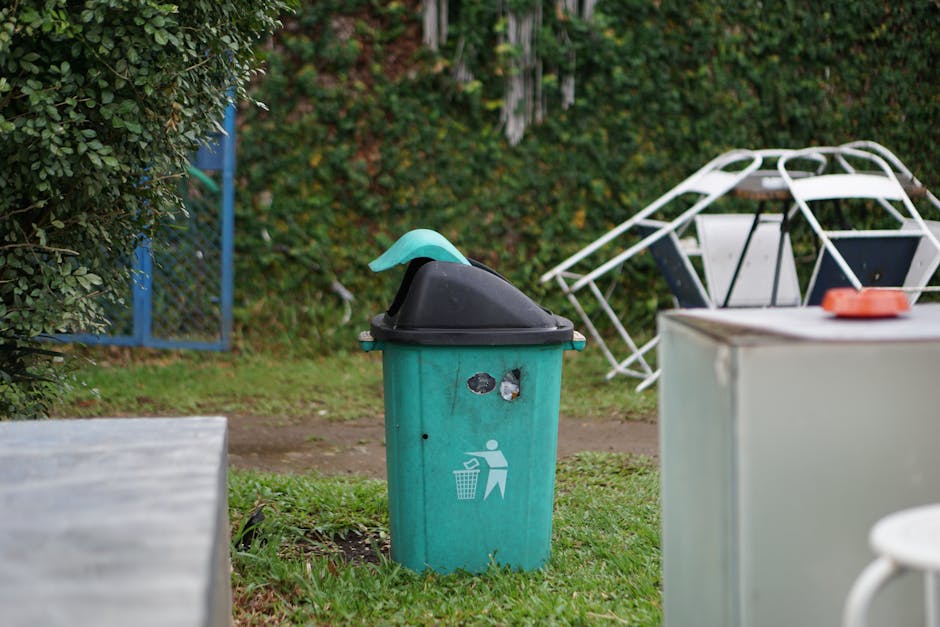
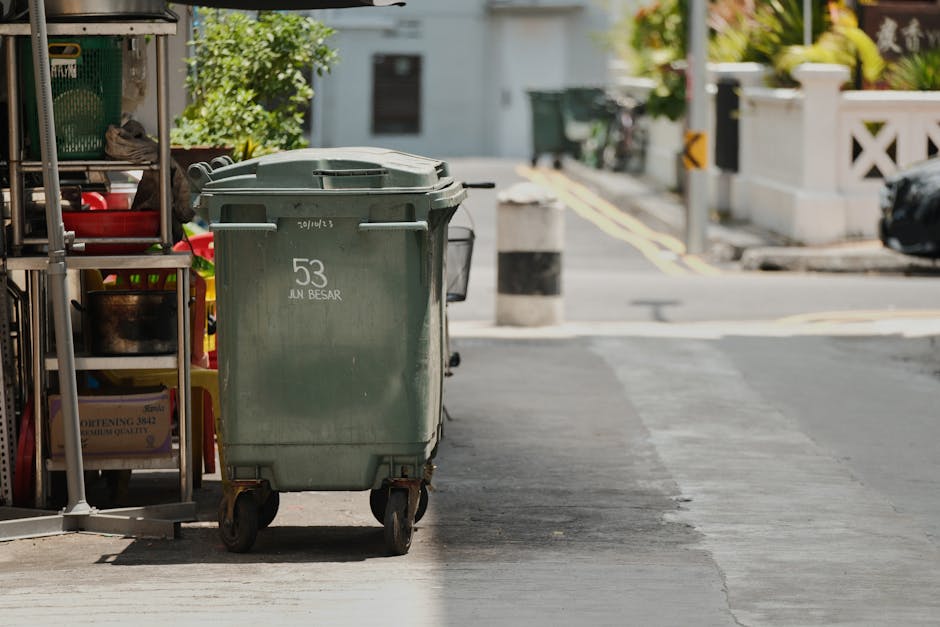
Tower Hamlets council rules for green waste garden disposal: what residents need to know
If you are trying to work out the Tower Hamlets council rules for green waste garden disposal, you are probably doing one of two things: clearing a small patch after weekend pruning, or staring at a pile of hedge cuttings and wondering, rather suddenly, what on earth counts as garden waste. It sounds simple. It usually isn't. Different materials, different collection options, and a few easy-to-miss rules can make the difference between a smooth pickup and a frustrating mess left on the pavement.
This guide breaks the whole thing down in plain English. You will learn what green waste is, how garden disposal normally works in Tower Hamlets, what to avoid mixing in, and when it makes more sense to book a professional garden service instead. If you are also planning heavier work like a tidy-up or an all-day clearance, it can help to look at a broader garden clearance service alongside routine maintenance. That way you are not trying to wrestle with a wheelie bin that is already full by Tuesday morning.
Truth be told, most garden waste issues are not about volume alone. They are about sorting, timing, presentation, and a few local expectations that people only learn after a missed collection. Let's make it easier.
Table of Contents
- Why Tower Hamlets council rules for green waste garden disposal Matters
- How Tower Hamlets council rules for green waste garden disposal Works
- Key Benefits and Practical Advantages
- Who This Is For and When It Makes Sense
- Step-by-Step Guidance
- Expert Tips for Better Results
- Common Mistakes to Avoid
- Tools, Resources and Recommendations
- Law, Compliance, Standards, or Best Practice
- Options, Methods, or Comparison Table
- Case Study or Real-World Example
- Practical Checklist
- Conclusion
- Frequently Asked Questions
Why Tower Hamlets council rules for green waste garden disposal Matters
Garden waste is one of those household jobs that looks harmless until it turns into clutter, smells a bit earthy, and starts attracting the wrong attention from neighbours, vermin, or your own overflowing compost bags. Tower Hamlets council rules for green waste garden disposal matter because they help keep collections efficient, streets cleaner, and recycling streams less contaminated.
In a dense London borough, space is tight. That affects everything. A single overfilled bag on the wrong day can block a shared pathway. A mixed bin full of soil, plastic ties, and kitchen scraps can be rejected. A bag left out too early can get split by birds or dragged about by weather. You know the scene: damp leaves on a grey morning, a bin bag slipping just as you think you have tied it properly. Annoying, but very fixable.
The practical point is this: if garden waste is kept clean and presented properly, it is far easier to deal with. That means better chances of collection, lower risk of contamination, and less chance you end up paying for extra disposal because the load was not suitable for the option you chose.
For households with regular trimming or seasonal cutting, a structured approach is usually best. If your garden tends to need more than a basic tidy, a routine garden maintenance plan can reduce the amount of waste building up all at once. Small jobs stay small. That is the dream, anyway.
How Tower Hamlets council rules for green waste garden disposal Works
At a practical level, green waste garden disposal is about separating natural, compostable garden materials from everything else and using the correct collection or disposal route. The exact local service arrangements can change over time, so it is always sensible to check the council's current guidance before you put anything out. That said, the core principles are fairly consistent across London boroughs.
Garden waste usually means organic material generated from your outdoor space. Think grass cuttings, hedge trimmings, small twigs, leaves, and plant clippings. It does not usually mean rubble, plastic plant pots, treated wood, soil in bulk, household rubbish, or anything hazardous. Mixing those items together is where trouble starts.
There are typically a few ways residents handle this kind of waste:
- Council collection for acceptable garden waste, if available in your area or under a local service arrangement.
- Home composting for light, suitable material if you have a garden and the patience to let nature do its thing.
- Private garden clearance for larger jobs, overgrown plots, bulky cuttings, or mixed outdoor waste.
- Re-use or local recycling where material can be kept in the garden, chipped, mulched, or composted.
If you are tackling shrubs, branches, or hedge waste, it may help to separate the job by type. For example, hedge cuttings from a tidy-up can often be handled differently from a full clear-out after a landscaping change. A dedicated hedge trimming visit usually creates lighter, more manageable green waste than a full boundary re-shape, while tree work is a different matter again and may call for tree lopping and removal.
One important thing to understand is that "green waste" is not a catch-all bin for anything that came from the garden. Councils and waste handlers generally want the load to be clean, predictable, and recyclable. If it looks like a mystery jumble, it will often be treated like one.
Key Benefits and Practical Advantages
Following the rules properly saves time, money, and a good bit of stress. That sounds obvious, but in real life people often discover the benefits only after one failed attempt at disposal.
- Cleaner collections: correct sorting reduces the chance of rejected waste.
- Less mess at the property: tidier presentation means fewer stray clippings on paths, steps, and shared entrances.
- Better recycling outcomes: clean green waste can often be composted or processed more efficiently.
- Lower risk of complaints: neighbours are less likely to object if bags are secure and placed out properly.
- More predictable costs: you are less likely to need a second collection or emergency removal.
- Safer handling: separating sharp branches, heavy bags, and mixed debris reduces trip and lifting hazards.
There is also a less obvious benefit: the job becomes calmer. Instead of standing in the garden at dusk, wondering whether the waste pile is too big, you can decide early what goes into the bin, what needs a separate trip, and what should be left for a professional clearance. That peace of mind matters, especially after a long day when the last thing you want is one more chore.
If you are budgeting for seasonal work, it can also be worth checking pricing and quotes before the pile grows. A little planning now often prevents a much more expensive "fix it quickly" moment later.
Who This Is For and When It Makes Sense
This guidance is relevant to a wide mix of people in Tower Hamlets: flat owners with small communal planting beds, tenants managing a compact courtyard, homeowners with back gardens, landlords keeping outdoor areas presentable, and anyone doing a one-off tidy before spring or autumn. If you have leaves, trimmings, dead plants, or a hedge that has gotten a bit enthusiastic, you are in the right place.
It especially makes sense for:
- households with regular lawn mowing and hedge cutting
- people preparing for a larger clearance after months of growth
- residents with limited storage space for bags and bins
- shared properties where waste must be kept neat and contained
- garden owners who want to avoid contamination or refused collections
Sometimes the decision is not about convenience but about scale. If you have only a few bags of leaves, council disposal or composting may be enough. If you are cutting back an overgrown border, removing thick branches, or reshaping a whole front garden, the sensible option may be a professional team that can load, sort, and remove the waste in one go. No heroics needed.
That is particularly true where the outdoor space is part of a bigger project. If the work includes new planting, hard landscaping, or reshaping the layout, you may want to explore landscape gardening or broader landscaping support, because waste handling becomes part of the whole job rather than an afterthought.
Step-by-Step Guidance
Here is a simple way to approach garden waste disposal without making it harder than it needs to be.
- Sort the waste properly. Separate green garden material from plastics, pots, compost bags, rubble, and household rubbish. If you are unsure, treat it as non-green until confirmed otherwise.
- Reduce the volume first. Chop larger branches down, shake soil from roots, and bundle light clippings so they do not blow about.
- Check what can be accepted. Review the current local collection or disposal guidance for Tower Hamlets before leaving anything out. Services and rules can change, and nobody enjoys a rejected bin on collection day.
- Choose the right container. Use the bins, bags, or bundles permitted for that type of material. Overstuffing is a common reason for problems.
- Set it out at the right time. Put waste out according to collection instructions, not the night before if that creates a mess or obstruction.
- Keep access clear. Make sure the waste does not block pavements, gates, bins, or shared entrances.
- Follow up on anything bulky. If you have large branches or a heavy clear-out, arrange a separate disposal solution rather than forcing it into standard bags.
A practical example: imagine you have pruned a small hedge, mowed the lawn, and pulled a few weeds on a Saturday morning. That is the sort of load that can often be managed neatly if you split it into dry clippings, hedge cuttings, and a small bag of weeds. Now imagine the same job after a month of neglect, with wet leaves, broken pots, and a pile of branch ends. Different story, isn't it? That is where the planning saves you.
If the job gets bigger as you go, you can always pause and switch to a more structured garden clearance approach rather than trying to improvise all afternoon. It is not giving up. It is being sensible.
Expert Tips for Better Results
In our experience, the best garden waste jobs are the ones that are sorted before the first cut is made. That sounds a bit fancy, but it really just means thinking about disposal while you are planning the work.
- Cut in stages. Don't strip the whole garden in one blast unless you already know where the waste is going.
- Work dry where possible. Wet clippings are heavier, smell more, and are harder to bundle. A crisp dry morning is easier than a soggy Sunday afternoon.
- Use the right tools. A sharp pair of shears makes smaller, cleaner offcuts. A blunt tool creates ragged waste and extra effort.
- Separate woody and leafy material. Woody cuttings are bulkier and may need different handling.
- Store temporarily in a clean, dry spot. If you have to hold waste before disposal, keep it off the main walkway.
- Think about re-use. Some clippings can become mulch, and leaves can be composted if the material is suitable.
There is also a comfort factor here. A neat pile of sorted waste feels manageable; a mixed heap does not. Small difference, big mood change. You can almost hear the garden breathing again once the clutter is gone.
For regular upkeep, a lighter-touch lawn mowing or scheduled maintenance routine can prevent waste from building into a bigger disposal task. It is one of those boring good habits that pays off quietly.
Common Mistakes to Avoid
Most disposal problems come from a handful of avoidable mistakes. The good news? They are easy to sidestep once you know what to look for.
- Mixing in the wrong materials. Plastic ties, flower pots, stones, soil in large amounts, and household rubbish can contaminate the load.
- Overfilling bags or bins. Heavy, bursting containers are awkward to move and may be refused.
- Leaving waste out too early. Bags can split, blow over, or become a nuisance in shared spaces.
- Assuming all garden waste is acceptable. Not every organic-looking item belongs in the green waste stream.
- Ignoring access issues. A tidy collection can still go wrong if the waste is blocking a path or gate.
- Waiting until the pile becomes unmanageable. This is the classic one. We have all done it, and it rarely feels clever on the day.
Quick rule of thumb: if a garden item would make a recycling process messy, contaminated, or unsafe, it probably needs a different disposal route.
Another common mistake is treating all branch work the same. A few hedge trimmings and a dismantled shrub are not the same as thicker, woody material from larger pruning. When in doubt, separate the waste early and decide whether the job needs a specialist service. Saves a headache later.
Tools, Resources and Recommendations
You do not need a fancy setup to manage garden waste well. A few practical tools go a long way.
- Strong garden sacks or reusable bags for lighter clippings
- Secateurs, loppers, and pruning saws for reducing bulky cuttings
- Wheelbarrow or tub trugs for moving waste without spilling it
- Tarpaulin to keep the load contained if you are working over more than one session
- Gloves for thorns, splinters, and general grime
- Labels or separate piles if you are sorting mixed material for different disposal routes
For people who do regular outdoor maintenance, it also helps to keep a basic waste plan in mind before seasonal jobs begin. If your garden has become overgrown, or you are cleaning up after a long gap between visits, a fuller service can be easier than trying to stack and transport everything yourself. That is where services overview information can help you think through the scope before you start.
Residents who care about reducing waste may also want to read about recycling and sustainability. A little attention to reuse and composting can make the whole job feel more purposeful, not just tidier.
Law, Compliance, Standards, or Best Practice
While this article focuses on practical guidance rather than legal advice, there are some broad UK waste principles worth keeping in mind. Garden waste should generally be handled in a way that avoids nuisance, prevents fly-tipping, and keeps recyclable material separate from general rubbish. If you are disposing of waste through a council service, the acceptance rules for materials and presentation matter. If you use a private carrier, the same basic idea applies: the load should be suitable, secure, and lawful.
Best practice usually includes:
- keeping garden waste separate from household waste
- avoiding contamination with plastics, soil, stones, or treated timber unless the service allows it
- presenting waste safely so it does not obstruct pavements or entrances
- using licensed or reputable removal services for larger clearances
- checking the latest local guidance before disposal day
If a job involves branches, sharp tools, heavier lifting, or access through shared areas, safety should sit alongside compliance. A tidy garden is great. A trip hazard in the doorway is not. For that reason, sensible operators will often align disposal with their health and safety policy and their insurance and safety practices.
Where payments, bookings, or service terms are involved, it also helps to understand the provider's payment and security and terms and conditions. Not exciting reading, admittedly, but it is the sort of thing that prevents surprises.
Options, Methods, or Comparison Table
Different disposal methods suit different jobs. The right choice depends on how much material you have, how mixed it is, and whether you want the fastest or cheapest route.
| Method | Best for | Pros | Limitations |
|---|---|---|---|
| Council garden waste collection | Clean, routine green waste | Convenient, local, predictable when set up correctly | May have collection rules, container limits, or eligible material restrictions |
| Home composting | Leaves, small cuttings, light organic matter | Low cost, environmentally friendly, reduces volume | Not suitable for all woody or bulky material; needs space and patience |
| Private garden clearance | Large, mixed, or overgrown loads | Fast, hands-off, suitable for bigger jobs | Usually costs more than basic disposal and depends on provider availability |
| DIY transport to disposal point | Smaller, manageable loads with access to transport | Flexible and useful for one-off jobs | Time-consuming and can be awkward without the right vehicle or lifting help |
In practice, many homeowners use a mix of methods. A bit of composting for leaves, a council option for smaller weekly waste, and a professional clearance for the big seasonal clean. That blend is often the sweet spot. Not glamorous, just effective.
Case Study or Real-World Example
Picture a terrace garden after a wet, windy stretch in early spring. The lawn has been cut, the hedge has been trimmed back, and a few shrubs have been reshaped so the path is usable again. At first glance it looks like "just a few bags." Then the pile grows. Leaves stick to the paving, the hedge clippings are lighter than they look but take up space, and the old stems from the border refuse to sit neatly in anything. Familiar, right?
The homeowner starts by separating the material into three groups: soft green clippings, woody cuttings, and a small amount of non-green debris like plant ties and broken plastic. The soft material is bagged for the usual disposal route. The woody waste is bundled separately. The mixed debris is removed on its own. The result is tidy, quick to move, and far less likely to be rejected.
Now compare that with the alternative: everything tipped into one sack, half-wet, overfilled, and left in a corner by the back gate. It looks cheaper in the moment, but it usually leads to delays, backtracking, or extra sorting later. And in a small garden, that is the kind of hassle you feel immediately.
This is where a combined service can help. A homeowner who also wants the beds refreshed, the lawn tidied, and the boundaries neatened may decide to book a wider outdoor package, such as landscaping or a targeted clearance, instead of tackling the waste piecemeal over several weekends. Sometimes the cleanest solution is the one that ends the job in one go.
Practical Checklist
Use this quick checklist before you dispose of garden waste in Tower Hamlets:
- Have I separated green waste from household rubbish?
- Have I removed plastic, pots, ties, stones, and non-organic debris?
- Is the load within the limits of the collection or disposal method I am using?
- Have I reduced bulky material into manageable pieces?
- Is the waste packed securely so it will not spill or blow around?
- Have I checked the latest local rules or service instructions?
- Is the waste being placed somewhere that does not block access?
- Do I need a professional clearance instead of a standard collection?
- Have I planned for branches, thorny cuttings, or heavier items separately?
- Will the disposal method I chose actually finish the job without a second trip?
If you can tick most of those boxes, you are in good shape. If not, pause and re-sort now. It is much easier than fixing the aftermath.
Conclusion
The core idea behind Tower Hamlets council rules for green waste garden disposal is straightforward: keep it clean, keep it sorted, and use the right route for the amount and type of waste you have. The tricky part is the detail, and that is usually where people get caught out. Once you know what counts as green waste, how to present it, and when to switch from DIY disposal to a fuller clearance, the whole process becomes much less stressful.
For small routine jobs, good sorting and sensible timing are usually enough. For bigger seasonal clear-outs, a professional service can save time, reduce mess, and stop a messy pile from becoming a weekend project nobody wanted. To be fair, that is often worth it all by itself.
Get a free quote today and see how much you can save.
And if you are standing in the garden with a wheelbarrow full of clippings and a slightly tired expression, take a breath. A tidy outdoor space is still very much within reach.
Frequently Asked Questions
What counts as green waste in Tower Hamlets?
Green waste usually includes grass cuttings, leaves, hedge trimmings, small twigs, and plant clippings. It normally excludes household rubbish, plastic, rubble, and other non-organic items.
Can I put soil in my garden waste bin?
Usually not in bulk. Soil is often treated separately from green waste because it is heavy and can affect how the material is processed. Check the current local guidance before adding it.
Can hedge trimmings go out with garden waste?
Yes, hedge trimmings are commonly part of garden waste, provided they are clean and do not contain plastic ties, wire, or other contamination. Larger woody sections may need separate handling.
What should I do with branches and thicker cuttings?
Cut them down if possible and separate them from softer clippings. If the load is large or awkward, a private clearance service may be the easier option.
Will the council collect my garden waste if it is mixed with other rubbish?
Probably not. Mixed loads are more likely to be refused or treated as contamination. Keep green waste separate to avoid delays and extra hassle.
Is composting better than putting garden waste out for collection?
For suitable material, composting can be an excellent option. It is low-cost and reduces the amount of waste leaving the property. But it does require space, time, and the right mix of material.
How do I know whether to book a garden clearance instead?
If the waste is bulky, mixed, heavy, or more than you can realistically store or move yourself, a clearance service is usually the sensible choice. It is especially useful after major pruning or overgrown garden work.
Can I leave garden waste on the pavement outside my home?
Only if it is permitted by the collection instructions and does not obstruct pedestrians or neighbours. Leaving waste out incorrectly can cause complaints or collection problems.
What is the easiest way to reduce garden waste volume?
Cut branches into smaller lengths, dry wet clippings where possible, and separate woody material from soft green waste. That small bit of prep makes a surprisingly big difference.
Why was my garden waste collection refused?
Common reasons include contamination, overfilled containers, incorrect presentation, or waste being put out at the wrong time. If that happens, re-sort the load and check the guidance again before the next attempt.
Are professional garden clearance services worth it?
If you have limited time, a large amount of waste, or a garden that has become a bit much, yes, they often are. The value is not just removal; it is the time, safety, and reduced stress that come with it.
What is the best way to keep on top of garden waste all year?
Light, regular maintenance is the easiest route. Routine mowing, trimming, and seasonal tidying prevent one large pile from turning into a bigger problem later. A little and often approach works well, even if it sounds a bit dull.