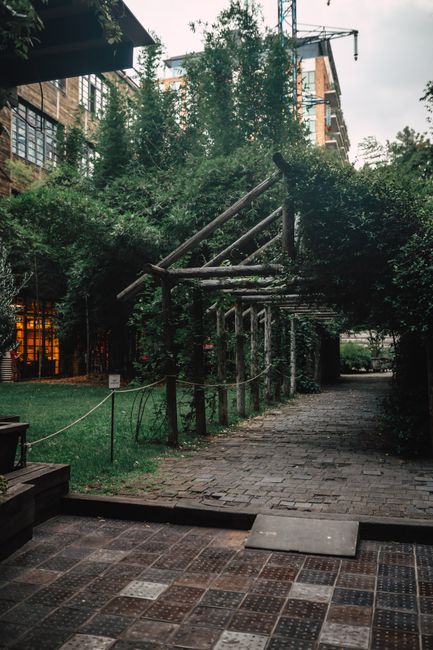
Real wedding venue garden makeover in Spitalfields case study
If you are planning a wedding venue refresh in East London, a Real wedding venue garden makeover in Spitalfields case study is exactly the kind of example that helps you separate romantic ideas from workable decisions. A wedding garden has to do a lot at once: look beautiful in photos, feel calm and intimate for guests, handle foot traffic, and still be practical on a busy event day. That is easier said than done, especially in Spitalfields where space can be tight, access can be awkward, and the setting needs to feel special without becoming overdone.
In this guide, we walk through how a venue garden makeover typically works, what makes it valuable, and how to plan one without wasting time or money. You will also see the common pitfalls, a step-by-step process, and a practical checklist you can use whether you are improving a private hire space, a boutique venue courtyard, or a hidden garden behind an urban building. Truth be told, the best results usually come from simple, well-judged changes rather than dramatic ones.
One quick note before we begin: if you are exploring wider landscaping support as part of the project, services such as landscaping, garden maintenance, and garden clearance often sit at the heart of a successful makeover, especially when a venue needs to move from tired to photo-ready without losing its character.
Table of Contents
- Why Real wedding venue garden makeover in Spitalfields case study Matters
- How Real wedding venue garden makeover in Spitalfields case study Works
- Key Benefits and Practical Advantages
- Who This Is For and When It Makes Sense
- Step-by-Step Guidance
- Expert Tips for Better Results
- Common Mistakes to Avoid
- Tools, Resources and Recommendations
- Law, Compliance, Standards, or Best Practice
- Options, Methods, or Comparison Table
- Case Study or Real-World Example
- Practical Checklist
- Conclusion
- Frequently Asked Questions
Why Real wedding venue garden makeover in Spitalfields case study Matters
A wedding garden is not just a nice extra. For many venues, it is the part guests remember most clearly: the first drinks reception, the quieter moment away from the music, the photos that end up in frames, and the backdrop that makes the whole day feel intentional. A good makeover can turn a space that feels a bit forgettable into one that quietly carries the event.
Spitalfields adds its own quirks. You may be dealing with compact plots, shared access, nearby neighbours, heritage surroundings, or a layout that has evolved over time rather than being designed from scratch. That means the makeover has to respect the space. You cannot always rely on broad lawns or oversized planting. Instead, success often comes from layering texture, improving flow, and making every square metre work harder.
There is also a commercial side to this. A venue garden that photographs well can support bookings, improve guest perception, and justify a stronger offer. But it only works if the space still feels usable. Nobody wants a pretty garden that is impossible to walk through in heels or awkward for suppliers to access. The point is not perfection. The point is confidence. Guests should walk in and think, yes, this feels considered.
To be fair, a lot of people overcomplicate wedding garden upgrades. They imagine a full rebuild when what the space really needs is sharper edges, healthier planting, cleaner sightlines, and one or two memorable focal points. That is often enough.
How Real wedding venue garden makeover in Spitalfields case study Works
A realistic wedding venue garden makeover usually begins with a proper read of the space. Not just what it looks like, but how it behaves. Where does water sit after rain? Which corners are too dark? Where do guests naturally gather? Where does the photo angle land? These details matter far more than people expect.
The process normally starts with assessment and ends with staged delivery. In between, there is a mix of design thinking, clearance, planting, hard landscaping, and maintenance planning. If you are working with an existing venue garden, the first task is often to remove tired growth, open up pathways, and bring structure back. A project may also include features such as seating areas, planters, lighting, edging, or a more polished lawn finish through lawn mowing and regular upkeep.
In a wedding context, timing is everything. You do not want the garden to peak once and then slump two weeks later. A good makeover should be designed around the calendar of the venue. Is there a summer peak season? Are there regular events? Does the garden need to look good in March, not just June? These questions shape plant choices, pruning schedules, and how much maintenance the venue can realistically handle.
And then there is the feel. A wedding garden should not feel like a public park squeezed behind a building. It should feel intentional, intimate, and a little bit special. Sometimes that means using repeated planting to create rhythm. Sometimes it means keeping the palette restrained so the flowers and foliage do the talking. Simple. But not plain.
Key Benefits and Practical Advantages
The strongest benefits of a wedding venue garden makeover are usually practical first and visual second, though the two are tightly linked. Here is what tends to change when the work is done properly.
- Better guest flow: Clearer paths and smarter zoning reduce bottlenecks during drinks receptions and outdoor photographs.
- Stronger first impression: Guests see a cared-for space, which lifts the whole venue experience.
- More usable space: Tired corners, awkward edges, and underused strips can become real assets.
- Improved photo backdrops: Layers of greenery, seasonal planting, and tidy boundaries help create better wedding images.
- Lower ongoing stress: A garden designed with maintenance in mind is easier to keep event-ready.
There is a subtler benefit too: calm. A venue garden that feels coherent reduces visual noise. That matters on a wedding day when people are already juggling timings, outfits, suppliers, and the general emotional whirl. The garden should give people a breather. A little pocket of quiet, even in the middle of the city.
Another practical advantage is flexibility. A well-planned outdoor space can work for ceremonies, confetti moments, drinks receptions, or just a pause between indoor parts of the day. That flexibility can be incredibly useful for a venue trying to make the most of a compact site. If the garden can do more than one job, it becomes far more valuable.
And yes, if the space is being used for private hire, aesthetics do matter commercially. But the most effective makeover plans do not chase trends for the sake of it. They create something that still looks good after the trend has moved on. That is usually the smarter investment.
Who This Is For and When It Makes Sense
This kind of project makes sense for venue owners, event managers, hospitality operators, and property managers who want the outdoor area to feel more polished without losing its character. It also suits couples or families involved in a private venue transformation, especially if the garden is part of a one-off wedding setting rather than a permanent public venue.
You are likely a good fit for a makeover if any of these sound familiar:
- The garden looks tired but has good bones.
- Guests do not spend much time outside because the space feels awkward.
- The venue photographs well indoors, but the garden lets the whole experience down.
- You want to improve bookings or presentation before peak season.
- The current planting is inconsistent, patchy, or hard to maintain.
It may also make sense if you are trying to solve a specific problem rather than redesign everything. For example, maybe the boundary needs softening, or a paved area needs more warmth. Maybe the venue has shade in the wrong places, or the existing layout creates a dead zone no one wants to stand in. Small issues can have a surprisingly large effect.
If the space is extremely constrained, the brief becomes even more important. In a tight Spitalfields setting, the goal is often not to create a big garden feel. It is to create a smart, layered, inviting one. Different job, really.
Step-by-Step Guidance
Here is a practical way to approach a wedding venue garden makeover without losing the thread halfway through.
1. Start with a proper site read
Walk the garden at different times of day. Morning, late afternoon, and evening all reveal different problems. Notice where shadows fall, where it feels cluttered, and where people naturally pause. If it rains, pay attention to drainage and muddy spots. Those little details shape the whole plan.
2. Define the event use
Be specific. Will the garden host ceremonies, drinks receptions, photos, or all three? Do guests need to move through it in groups, or will it be a background space? The answer changes everything from seating to path widths.
3. Clear and simplify
Before adding anything, remove what no longer serves the space. Overgrown shrubs, dead patches, broken containers, and visual clutter can make even a nice garden feel neglected. A clean slate is often the fastest way to reveal potential.
4. Build structure first
Think in layers: edges, paths, focal points, and planting blocks. Structure gives the space a sense of order. Without it, even excellent plants can look scattered. Hard landscaping is not glamorous, but it is the skeleton that holds the whole thing together.
5. Choose planting with purpose
For a wedding garden, planting should do more than look pretty in one month. It should create shape, seasonal interest, and a reliable backdrop. Mixed evergreen structure, soft flowering plants, and carefully placed taller specimens can all help. If the venue wants a more enclosed, private feeling, taller pots and screening planting can make a big difference. A useful starting point is the guidance in tall potted plant selections.
6. Finish with maintenance planning
This is the bit people skip, then regret later. A garden makeover is only successful if it stays handsome. Create a simple maintenance rhythm for trimming, watering, weeding, lawn care, and seasonal refreshing. If the venue does not have in-house capacity, build that into the plan from the start.
One useful rule: if something looks beautiful but cannot be maintained in the real world, it is not finished yet. It is just a nice idea.
Expert Tips for Better Results
In our experience, the best wedding venue garden projects are usually won by restraint. Less clutter. Fewer competing colours. Clearer geometry. More breathing room. That may sound boring on paper, but in real life it often looks far more elegant.
Here are a few practical tips that make a proper difference:
- Use repetition: Repeat a few planting varieties or containers to create calm and visual rhythm.
- Frame key views: Make sure the best sightline lands where people naturally look or gather.
- Think about shoes: A gorgeous route is no help if guests sink into uneven ground.
- Protect the edges: Side boundaries and service areas can spoil the photo if they are left exposed.
- Plan for weather: A wet August evening in London can change the feel of the whole event. Design for that reality, not just the sunny version.
A small but important tip: avoid trying to make every corner a feature. Not every inch needs to shout. Some parts of the garden should simply support the composition. Let the eye rest a bit. That breathing space is part of the luxury.
If you want a venue garden to feel richer without overcrowding it, use texture rather than too many colours. Ferns, clipped evergreens, softer flowering shapes, and clean edging can create a layered look that photographs well. It is a bit like good tailoring. Nothing flashy. Just well cut.
Common Mistakes to Avoid
Most problems in wedding garden makeovers come from either rushing the brief or overdesigning the space. Both are fixable, which is the good news.
- Ignoring maintenance needs: A high-maintenance design can unravel quickly during a busy event season.
- Overfilling the space: Too many features can make a small garden feel cramped and difficult to use.
- Forgetting access routes: Staff, catering teams, and guests all need sensible movement through the space.
- Choosing plants only for peak season: A garden that looks great for three weeks and flat for the rest of the year is a weak investment.
- Skipping drainage checks: Wet patches and mud can ruin both presentation and usability.
- Neglecting the boundaries: Fences, walls, and side areas matter more than people realise in photos.
A common one, and it happens all the time, is focusing on decorative items before the basics are sorted. Nice lanterns are lovely. But if the lawn is patchy and the path is uneven, the lanterns are doing all the wrong work. Fix the base layer first.
Another mistake is choosing features that look grand in the showroom but feel awkward on site. Scale matters. A compact London venue needs smarter choices than a large rural estate. That is just the reality of it.
Tools, Resources and Recommendations
You do not need an endless kit list to improve a wedding venue garden, but the right tools and services help keep the work efficient and tidy. The key is matching the resource to the job, rather than using heavy machinery where careful handwork would be better.
Useful tools and inputs often include:
- Pruning and trimming tools for shaping hedges and softening overgrowth.
- Soil improvers and compost to help planting establish properly.
- Edging tools for crisp borders and cleaner visual lines.
- Containers and planters where permanent planting beds are limited.
- Regular mowing and tidying equipment to keep surfaces event-ready.
For venues with heavier overgrowth or neglected corners, a combination of hedge trimming and tree lopping and removal may be needed before any decorative work starts. That sounds blunt, but it is often the honest order of operations.
It can also help to think in terms of service layers rather than one-off fixes. For example, services overview pages are useful when you want to understand how different tasks fit together, while pricing and quotes can help shape expectations before work begins. If the venue wants to understand more about the company behind the work, about us gives context, and contact us is the obvious next step when a project needs a proper conversation.
One more thing: a garden makeover is not just about appearance. It is also about practical stewardship. If sustainability matters to the venue, consider waste handling, reuse of materials, and ongoing care. The page on recycling and sustainability can support that conversation in a straightforward way.
Law, Compliance, Standards, or Best Practice
For wedding venue garden work in London, compliance is usually less about dramatic legal complexity and more about responsible planning, safety, and neighbour awareness. If the site has public access, staff access, or frequent event use, basic health and safety discipline matters a great deal.
That means checking that pathways are safe, trip hazards are reduced, tools are used properly, and work is scheduled to avoid unnecessary disruption. If contractors are involved, insurance and safety arrangements should be clear before work begins. A venue should never be left guessing about who is responsible if something goes wrong. The health and safety policy and insurance and safety information are sensible reference points for that kind of planning.
There is also a practical best-practice angle around noise, timing, and waste. In a place like Spitalfields, you are not working in isolation. Nearby residents, neighbouring businesses, and local access patterns all matter. Keeping work tidy, contained, and respectful is simply good practice. Nothing glamorous there, but important. Very important.
If the venue has accessibility considerations, such as step-free routes or surface changes, those should be reviewed as part of the makeover rather than treated as an afterthought. A beautiful garden that is awkward to navigate is not fully successful. You want elegance and usability together.
Options, Methods, or Comparison Table
There is more than one way to improve a wedding venue garden. The right method depends on budget, condition, and how often the space will be used. Here is a simple comparison that helps frame the choice.
| Approach | Best for | Pros | Trade-offs |
|---|---|---|---|
| Light refresh | Gardens that are already tidy but need sharpening | Quick, cost-conscious, minimal disruption | Won't solve deeper layout or drainage issues |
| Targeted makeover | Spaces with clear problem areas | Good balance of impact and practicality | Requires careful prioritisation |
| Full redesign | Sites with major layout, access, or presentation problems | Maximum transformation and long-term clarity | More time, more planning, more cost |
For many Spitalfields venues, the targeted makeover is the sweet spot. It keeps the character of the site while solving the issues that guests actually notice. A full redesign can be worthwhile, of course, but it is not always the most sensible first move.
There is also a method choice between soft landscaping and structural changes. Soft landscaping is often quicker and more flexible. Structural changes, such as path adjustments or new edging, take longer but can improve the whole experience. The right answer depends on whether the problem is visual, functional, or both.
Case Study or Real-World Example
Here is a realistic example of how a wedding venue garden makeover in Spitalfields might unfold.
A small urban venue had a garden that looked promising in theory but underwhelming in practice. The lawn was uneven, the boundaries felt bare, and one corner had become a storage catch-all. During events, guests drifted to the middle of the space and the edges were ignored, which made the whole area feel smaller than it was.
The first phase was clearance. Old clutter was removed, tired planting was cut back, and the lawn area was improved so it looked cleaner and more deliberate. Next came structure. Edges were defined, the main circulation route was clarified, and the weakest visual corners were softened with planting and containers. A few taller elements were introduced to create privacy and vertical interest, rather than leaving everything flat and low.
The result was not dramatic in a flashy sense. It was better than that. The garden felt calmer, more balanced, and more useful. Guests had clearer places to gather. The photo backdrop improved. Staff found it easier to keep the space tidy between events. It became one of those areas that does not steal the show, but quietly helps the whole day run better. That is the kind of success you want.
What made the difference was not an endless list of features. It was sequencing, proportion, and maintenance planning. A good garden makeover is often just a series of sensible decisions stacked in the right order. Simple on paper. A bit more involved in real life, naturally.
Practical Checklist
Use this checklist before, during, or after planning your venue garden improvement.
- Have you walked the garden at different times of day?
- Do you know exactly how the space will be used during weddings?
- Have you identified the main visual weak points?
- Is access for guests, staff, and suppliers clear?
- Have you removed clutter and overgrowth first?
- Are the main paths and boundaries easy to read?
- Does the planting suit both the season and the maintenance capacity?
- Have you checked for drainage or muddy problem areas?
- Are any safety concerns dealt with before decorative work begins?
- Is there a plan to keep the garden looking good after the makeover?
If you can answer yes to most of those, you are on the right track. If not, that is fine too. Better to catch the gap now than after the first event.
Quick expert summary: a strong wedding venue garden makeover in Spitalfields should feel elegant, usable, and maintainable. If it only looks good in a staged photo, it is not finished. If it works on a busy Saturday evening and still looks decent on Monday morning, you have done it properly.
Conclusion
A Real wedding venue garden makeover in Spitalfields case study is really about more than planting and paving. It is about shaping an outdoor space so it feels welcoming, works under pressure, and supports the atmosphere of the day. The best results usually come from thoughtful simplification: clearer flow, better structure, stronger planting choices, and maintenance that matches reality.
For venues in Spitalfields, that balance matters even more because space, access, and presentation all sit close together. Get the basics right and the garden starts doing more than decorating the venue. It becomes part of the experience. Guests feel it, even if they do not consciously name it.
If you are still at the planning stage, take your time with the site read and the practical details. A calm, well-executed makeover will always age better than a rushed one. And honestly, that is what most venues need: not noise, just confidence.
Get a free quote today and see how much you can save.
Frequently Asked Questions
What is a wedding venue garden makeover?
It is the process of improving an outdoor venue space so it works better for weddings, events, photos, and guest flow. That can include clearance, planting, edging, lawn care, and layout changes.
Why is a garden makeover especially useful for Spitalfields venues?
Spitalfields venues often deal with compact or characterful spaces, so a makeover helps the garden feel more polished without needing a huge footprint. It can also improve how the space functions during busy events.
How much work does a typical venue garden makeover involve?
It depends on the condition of the site. Some gardens only need tidying, trimming, and planting refreshes. Others need fuller landscaping work, access improvements, or structural changes.
Can a small garden still make a strong impression at a wedding?
Absolutely. Small gardens often work very well when the layout is clear, the planting is considered, and the boundaries are handled neatly. Small does not have to mean plain.
What should be fixed first in a neglected venue garden?
Start with clearance, safety, and structure. Remove clutter, deal with overgrowth, check access, and then build the visual design from there. That order usually saves time and money.
How long does a garden makeover usually take?
The timescale varies with the scope of work, access, weather, and how much clearing is needed. A light refresh may be quick, while a fuller redesign takes longer and needs more coordination.
What kind of planting works best for a wedding venue garden?
Planting that offers structure, seasonal interest, and a tidy appearance tends to work best. Many venues benefit from a mix of evergreen form, softer flowering plants, and repeat elements that create calm.
Do wedding venue gardens need a lot of maintenance after the makeover?
They need the right amount of maintenance, not necessarily a huge amount. The best designs are built to be manageable, especially if the venue hosts regular events.
Is compliance or safety really a concern for outdoor wedding spaces?
Yes, especially where guests, suppliers, and staff are moving through the area. Safe surfaces, clear access, and sensible working practices matter, even in a beautiful garden setting.
What is the biggest mistake venues make with garden improvements?
Probably overcomplicating the design. Too many features, too many colours, or too much furniture can make a small venue garden feel cramped and hard to use.
Can a garden makeover improve bookings or venue appeal?
It can, because guests and couples often respond strongly to outdoor presentation. A well-kept garden helps the venue feel more premium, more memorable, and easier to market.
Where should I go next if I want to plan a project like this?
Start with a site review and a clear list of priorities. Then look at the services, maintenance needs, and quote process so you can plan the work in a sensible order.